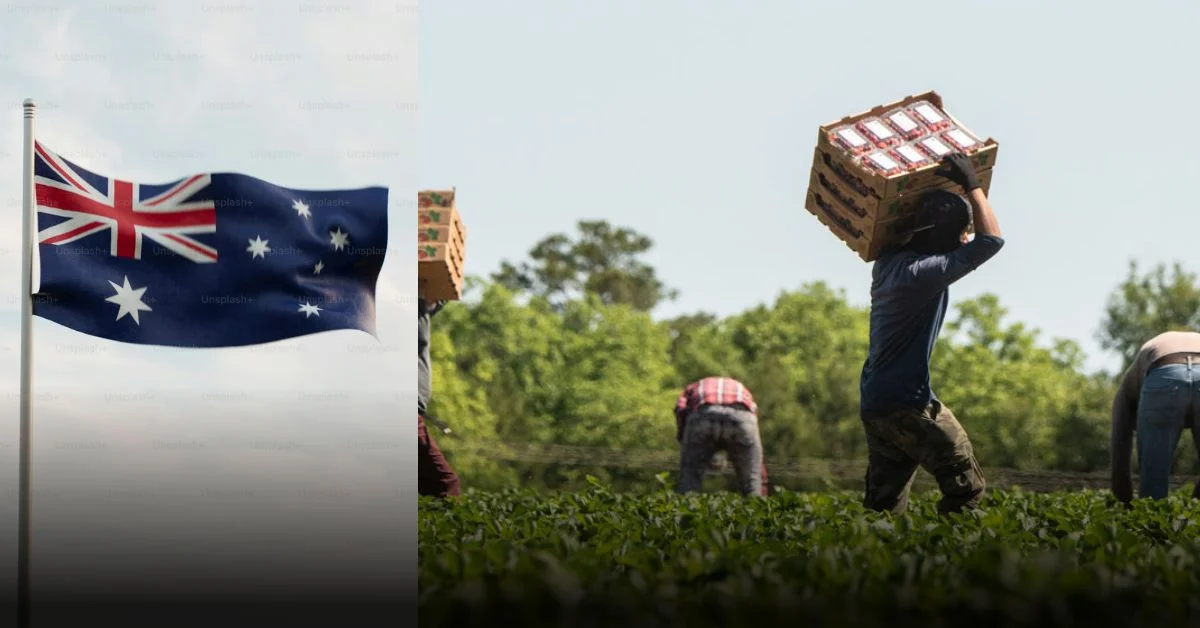
Australia has many farms that need workers from other countries. Places like regional New South Wales, Queensland, and Victoria grow a lot of food. These farms often hire people from overseas. This gives good chances for farm worker jobs with visa help. But the visa rules are not simple. There are two main ways: the Working Holiday Maker visas (subclasses 417 and 462) and the Pacific Australia Labour Mobility (PALM) scheme.
You must understand these to get legal work and fair pay. This guide explains the paths in simple words. It tells how to extend your visa and how to stay safe at work.
The Two Main Pathways to Australian Agricultural Worker Visa
Your visa depends on your country, your age, and what you want. Do you want to travel and work? Or do you want long-term farm work?
The Pacific Australia Labour Mobility (PALM) Scheme
The PALM scheme is the main government program for farm jobs. It is for people from nine Pacific islands and Timor-Leste.
- Visa Type: It is the Temporary Work (International Relations) Visa (subclass 403, PALM stream).
- Key Advantage: This gives visa sponsorship for short jobs (up to 9 months) or long jobs (1 to 4 years). It is more stable.
- Application Process: You apply through the official Labour Sending Unit in your home country. You do not contact employers directly.
- Employer Vetting: Employers must be approved by the government. They promise at least 120 hours of work in four weeks for short-term jobs. They also give support to workers.
Many people choose PALM because it is safe and has good rules. The government checks employers. Workers get help if there are problems. This scheme helps farms get reliable workers. It also helps workers send money home.
The Working Holiday Maker (WHM) Visa
This visa is popular for young people who want to travel and work. You must be 18 to 30 years old (or 35 for some countries).
- Visa Types:
- Working Holiday Visa (subclass 417): For people from certain countries like the UK, Canada, and Europe.
- Work and Holiday Visa (subclass 462): For people from other countries. Some need education or English skills.
- Visa Extension Farm Work Australia: Many people do farm work to get a second or third year visa.
- For second visa: You need at least 3 months (88 days) of specified work in regional areas.
- For third visa: You need at least 6 months (179 days) of specified work on your second visa.
- Eligible Work: This includes picking fruits or vegetables, planting trees, or working with animals.
The WHM visa lets you travel freely. You can work in different places. But you must do the right work in the right areas to extend. Keep records like payslips to prove your work.
Legal Work, Wages, and Worker Protection
Legal work keeps you safe. You get correct pay. It also counts for visa extensions.
The Award Wage Guarantee and Fair Work
Most farm jobs follow the Horticulture Award.
- Award Wage Farm Work Australia: From July 2025, casual adult workers who pick fruits or vegetables should get at least $30.35 per hour if paid by the hour. This includes the casual loading. Your pay must be this or more, even if you are paid by piece rate (per bucket or bin).
- Fair Work Ombudsman (FWO): This is the government office that helps workers. They make sure everyone gets fair pay and conditions.
- Legal rights of seasonal workers in Australia: You get payslips, superannuation (money for retirement), sick leave, and protection from unfair treatment. This is true for all visa holders.
Always check your pay. If something is wrong, contact the FWO. They can help you for free.
The Safety Protocol: Avoiding Scams
Many people look for farm jobs with no experience. Be careful of bad people.
- Payment Requests: Never pay money to anyone for a job or visa. Official fees go only to the government.
- PALM Scheme Safety: Use only the official unit in your country. Other offers may be fake.
- Documentation: Get a written contract before you start. Ask for detailed payslips every time you get paid. This proves your work for extensions.
Scams can take your money and leave you with no job. Always use official websites.
Job Search Focus: High-Demand Regional Australia Employment
Look for jobs in areas that need many workers. Seasons change, so work moves.
| State/Territory | Primary Harvest Season | High-Demand Keywords |
|---|---|---|
| Queensland (QLD) | All year (Tropical Fruit, Berries) | Farm Jobs Queensland Visa |
| Victoria (VIC) | Spring/Summer (Stone fruit, Grapes, Citrus) | Harvest Work Victoria |
| Regional NSW | Summer/Autumn (Grapes, Citrus, Cereals) | Regional NSW Farm Jobs |
| Western Australia (WA) | Summer/Autumn (Grapes, Wheat, Vegetables) | Western Australia Fruit Picking |
| Northern Territory (NT) | Dry Season (Mangoes, Melons) | Northern Territory Agriculture Work |
These areas have postcodes that count for visa extensions. Check the official list.
Ready to Apply? Your Final Checklist
Get ready before you start.
- Determine Your Path: Check if you can use PALM (from Pacific or Timor-Leste) or WHM visa.
- Verify Everything: For PALM, use approved employers. For WHM, make sure the job is in a regional area.
- Know Your Rights: Ask for fair pay. Report problems to FWO.
Start today. Go to official sites for correct information.
Call to Action:
Ready to start your Regional Australia Employment journey? Use the official DHA website to check your WHV eligibility today and subscribe to our newsletter for the latest Harvest Work updates!
Disclaimer:
This job information is shared for informational and educational purposes only. Visa requirements for the Working Holiday Visa (Subclass 417), Work and Holiday Visa (Subclass 462), and the PALM Scheme are set and regulated by the Department of Home Affairs (DHA). Pay rates under the Horticulture Award are regulated by the Fair Work Ombudsman (FWO). Readers are strongly advised to verify all application steps, the status of Australian Approved Employers, and current Award Wage rates directly from official Australian government websites before applying for any work or making financial commitments.